


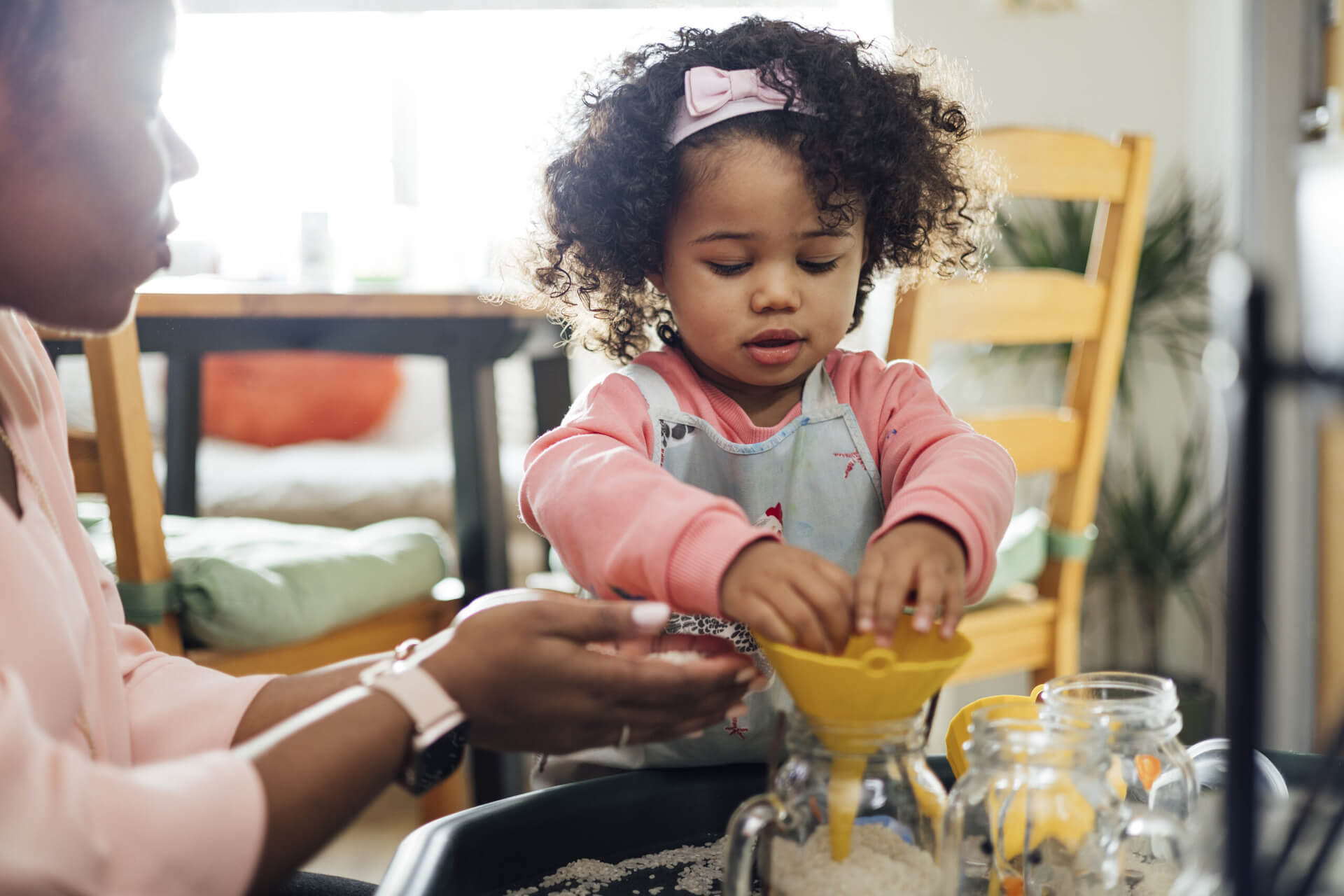
Fun Indoor Activities for Toddlers on Rainy Days

Stuck inside? These easy indoor activities for toddlers turn rainy days into playful learning. From pillow-planet hopping to kitchen orchestras and color quests, you’ll find low-prep indoor children’s activities that build movement, language, and creativity.
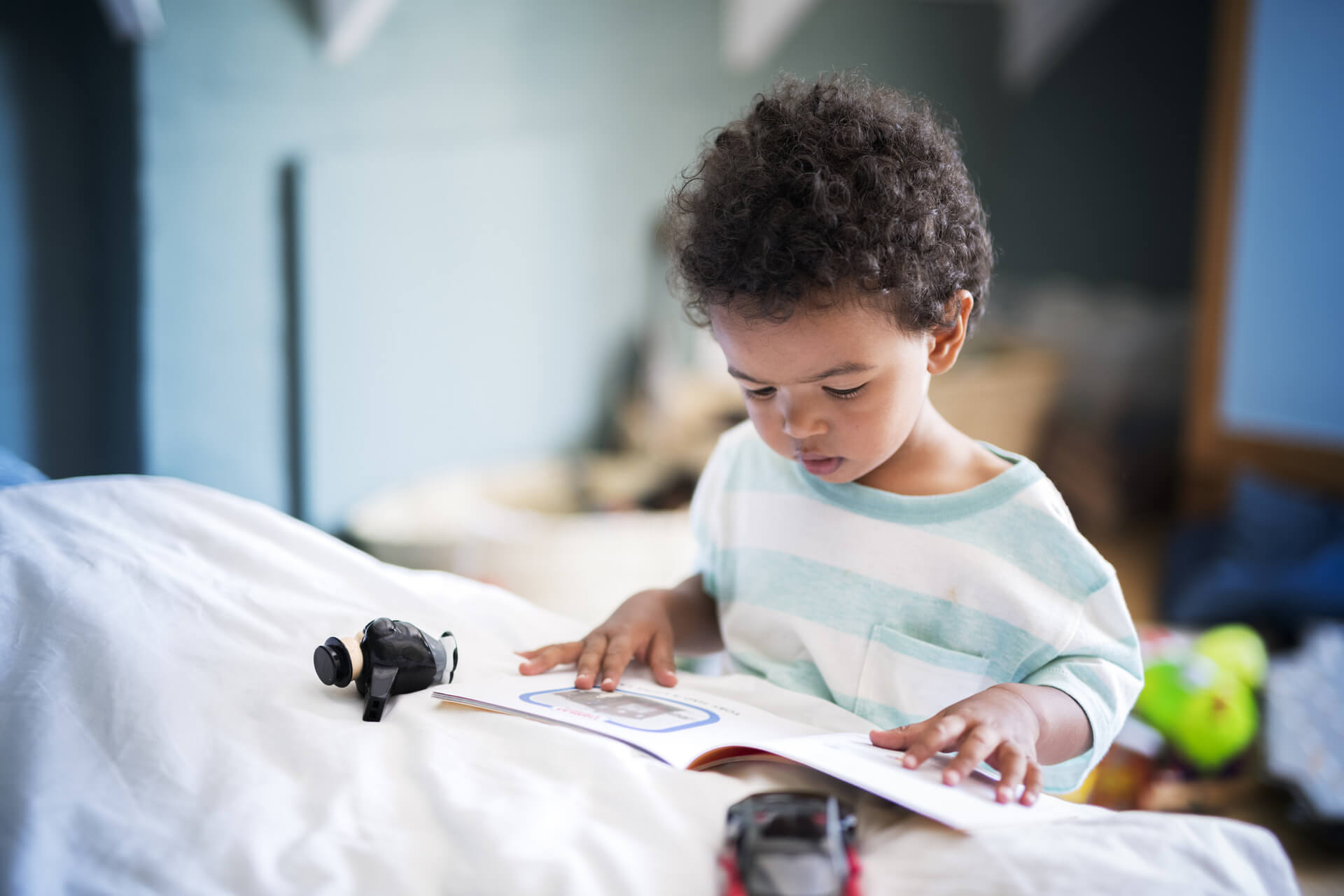
Best Books for 3 Year Olds: 50+ Must-Read Picks to Spark a Love of Reading
A reading starter guide for 3-year-olds featuring 50 must-read books by themes of classics, bedtime, emotions, and learning followed by simple tips to build lasting reading skills.

How to Support Your Child’s Mental Health
Early childhood mental health is as vital as physical health. This guide explains what healthy looks like, when to seek extra support, and simple ways to help—listening, play, predictable routines, modeling calm, and time outdoors. You’ll also find reassurance for tough days and a reminder to care for your own well-being as you raise a resilient, secure child.

Fear in Little Kids: What’s Normal and How to Help
Little kids have big imaginations—and big fears. Learn what’s normal, what’s anxiety or phobia, and 10 gentle ways to help your child feel safe, sleep better, and grow braver over time

Scientific Experiments for Preschoolers: 15+ Easy Activities That Spark Curiosity and Learning
Kick-start early STEM with 15+ simple, hands-on science activities for preschoolers. From sink-or-float and magic milk to crystal growing and the water-cycle-in-a-bag, these quick experiments build curiosity, language, and problem-solving skills. Includes tips on using the scientific method, managing short attention spans, and making learning joyful.
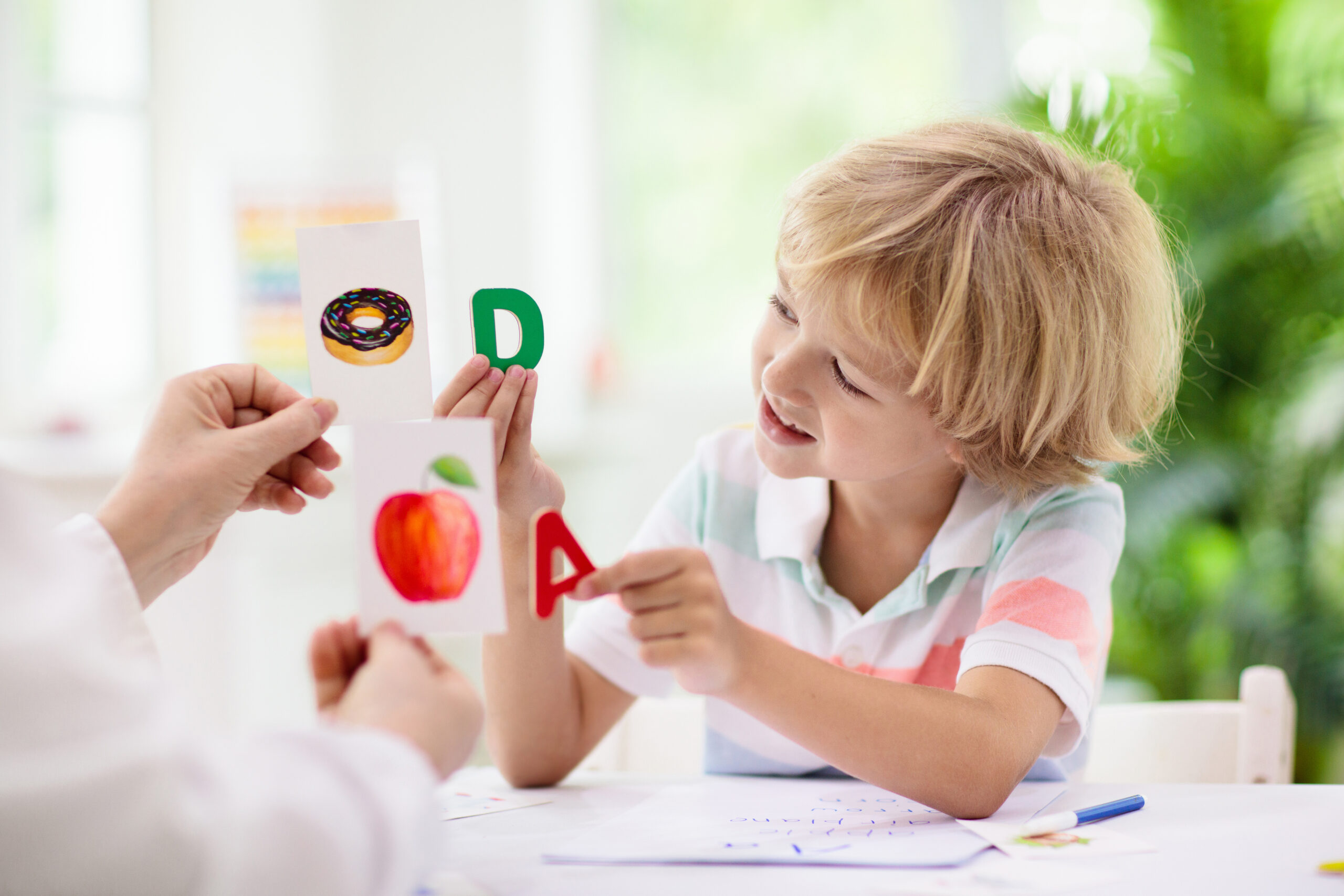
Teaching Phonics at Home: A Parent’s Guide to Building Strong Readers
Phonics is the foundation of reading and writing. This parent’s guide to teaching phonics at home offers fun and easy strategies to help your child build strong reading skills. Explore practical tips like using everyday conversations, reading together, and playing sound detective games.
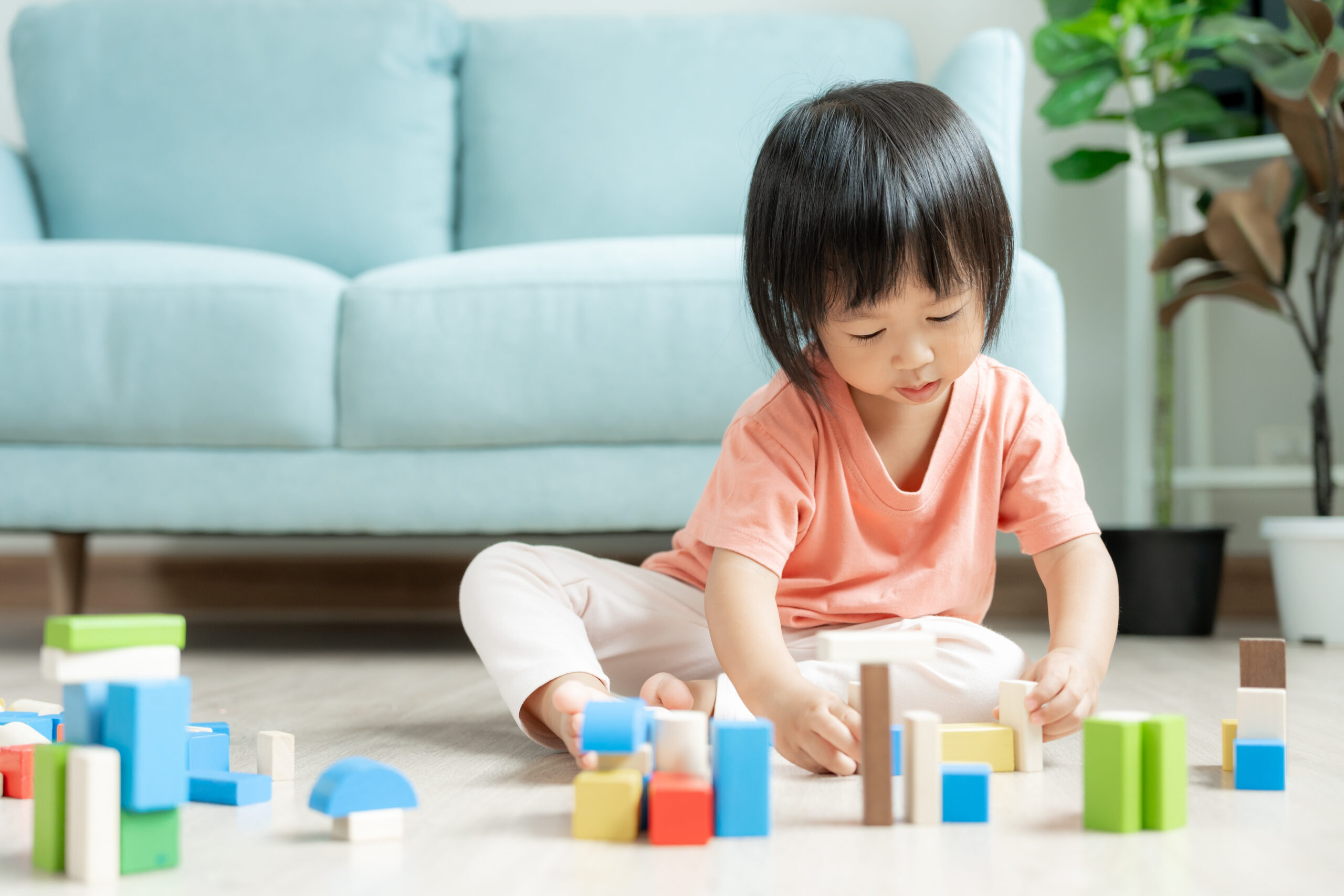
2-Year-Old Milestones: What to Look For
Watching your 2-year-old grow is exciting and sometimes challenging. From language and motor skills to social and emotional development, here’s what to expect at age two, plus simple ways to support their learning, growth, and confidence every day.
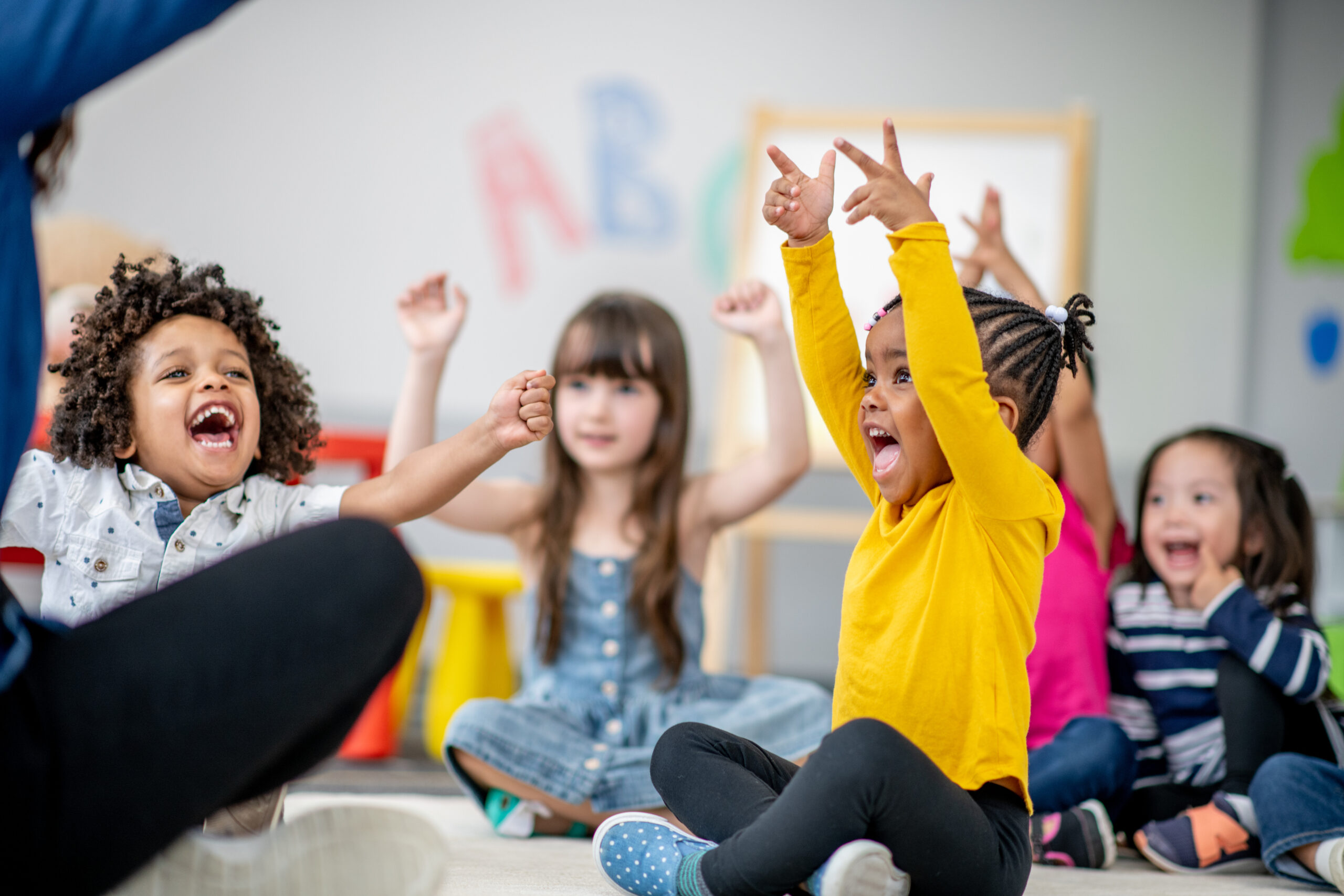
Building Confidence and Skills for Kindergarten Readiness
Starting kindergarten is more than knowing letters and numbers—it’s about confidence, curiosity, and self-regulation. Discover practical tips to support your child’s social, emotional, and academic growth so they feel prepared and excited for this big milestone.

Understanding Your Child’s Gross Motor Development
From first steps to playground adventures, gross motor skills show your child’s progress. Discover milestones, red flags, and activities to encourage balance, coordination, and strength.

How Much Screen Time Should Kids Have? What Every Parent Should Know
Understand how much screen time is appropriate for your child with expert guidelines, effects on development, and practical tips for managing screen time on iPhone and Android.

