


Creating a Learning-Rich Home for Young Children
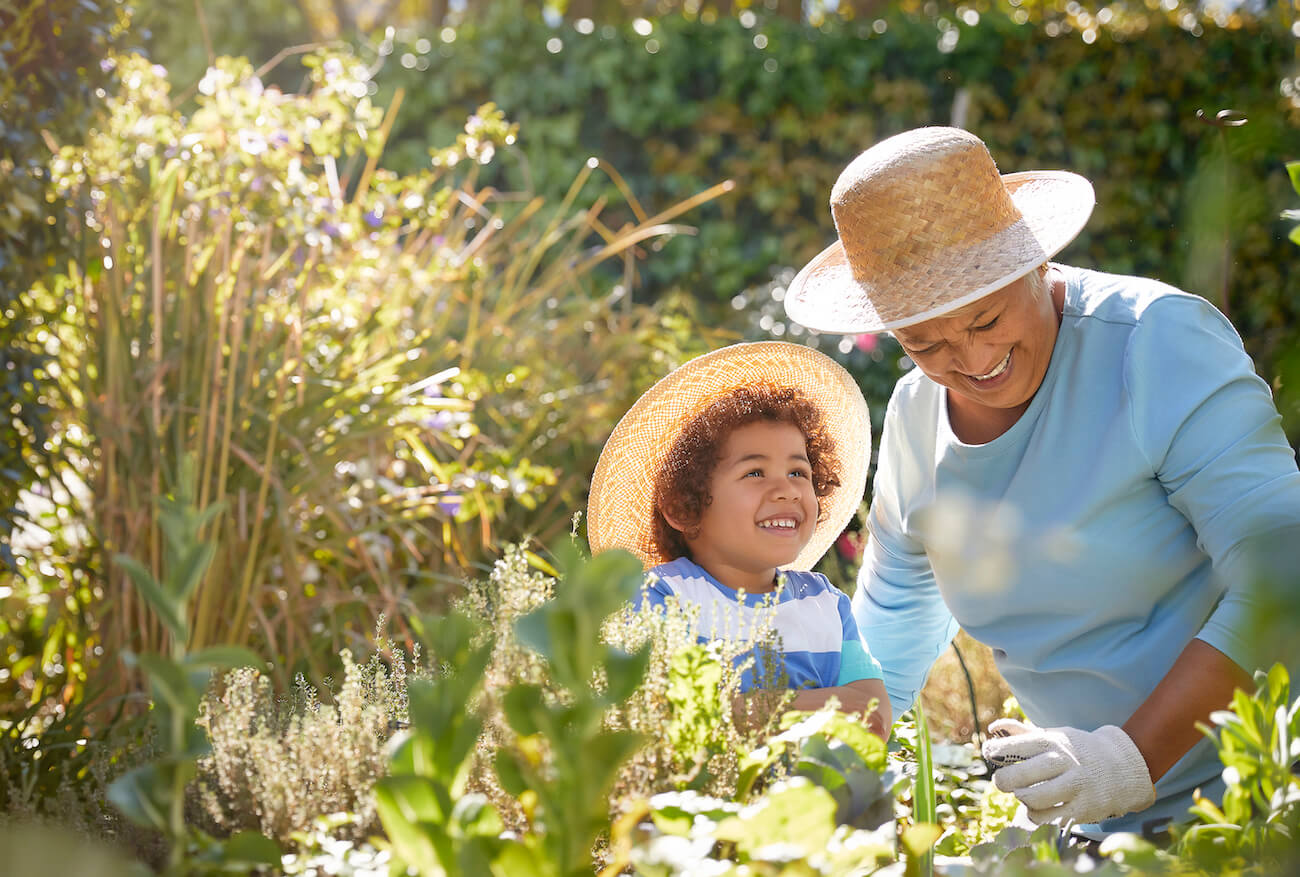
The best classroom your child will ever have might just be your home. Whether you’re cooking dinner, getting ready for bed, or walking to the park, your preschooler or kindergartener is constantly learning from you. Everyday moments like those small chats, questions, and discoveries can build big skills. You don’t need special tools or fancy programs. Once you understand how young children learn, you’ll start to see learning everywhere.
Understanding How Young Children Learn
Young children learn in two main ways: through formal learning and informal learning.
Formal learning happens in structured settings like preschool or kindergarten classrooms. There are specific lessons, planned activities, and clear educational goals. Teachers guide the process, following a curriculum designed to build academic and social skills. Most people can easily picture this kind of learning: it’s organized, guided, and often includes assessments or milestones.
Informal learning, on the other hand, happens everywhere else, and it’s happening all the time. It’s the kind of learning that occurs naturally during breakfast conversations, while playing in the backyard, running errands, or folding laundry together. There are no lesson plans or tests. Just discovery, curiosity, and participation in real life.
The Power of Informal Learning
Informal learning often goes unnoticed because it feels so natural. It’s like how children learn their first language: without formal instruction, simply by being immersed in everyday life. According to researchers, here’s what makes informal learning so powerful:
- Happens naturally: It’s not a formal lesson. Kids learn through everyday experiences and play.
- Part of real life: Learning takes place during meaningful activities, like cooking, building, or walking.
- Driven by the child: It’s led by the child’s curiosity, interests, and choices, not by outside rules or people.
- Enhanced through social interaction: Shared moments with adults or peers inspire curiosity and deepen understanding.
- No tests or grades: There’s no formal assessment. Learning is part of the activity itself.
When these elements come together, something wonderful happens: every everyday moment becomes a chance to learn and grow together. At the museum, in the grocery store, at the park, or right at home, learning is always within reach.
Practical Ways to Create a Learning-Rich Home
Create Accessible Learning Spaces
- Set up a low shelf or cart with materials your child can reach independently: crayons, paper, playdough, puzzles, building blocks.
- Rotate materials every few weeks to keep things interesting without overwhelming them with too many options.
- Designate a cozy reading nook with pillows, good lighting, and a small collection of books that feels special and inviting.
- Create an art station with basic supplies always available, like paper, crayons, safety scissors, glue, and recyclables for creating.
Build a Print-Rich Environment
- Label household items with simple words: door, window, chair, table. Kids start recognizing these words through repeated exposure.
- Display their name and family members’ names where they can see them often.
- Keep books everywhere: in the car, bathroom, kitchen, the bedroom.
- Point out letters and words during daily life: on cereal boxes, street signs, and store labels.
Encourage Curiosity and Questions
- When your child asks “why,” don’t rush to answer. Say, “That’s a great question! What do you think?” or “How could we find out together?”
- Wonder aloud: “I wonder why the sky looks pink tonight” or “I wonder what will happen if we add more water.”
- Follow their interests: If they’re obsessed with dinosaurs, read dinosaur books, draw dinosaurs, and count dinosaur toys.
- Validate their observations: “You noticed the leaves are falling! You’re right, it is autumn.”
Choose Open-Ended Play Materials
- Prioritize toys that can be many things: blocks, cardboard boxes, scarves, playdough, and art supplies encourage creativity.
- Save recyclables for building: cardboard tubes, egg cartons, and boxes become rockets, buildings, or animals.
- Provide dress-up clothes and props for imaginative play, which builds language, social skills, and problem-solving.
- Spend time outdoors: sticks, rocks, water, and sand are some of the best learning materials available.
Make Everyday Moments Count
- Narrate your day: Talk through what you’re doing while cooking, cleaning, or getting ready. “I’m pouring half a cup of milk” or “Let’s button up these three buttons” builds vocabulary and math concepts naturally.
- Count everything: Count steps as you climb them, count plates as you set the table, count cars while waiting. Math is everywhere.
- Sort and categorize: Sort laundry by color, organize toys by type, arrange books by size. These activities build executive functions.
- Cook together: Measuring, mixing, and following recipe steps teach math, science, and sequencing.
Make Learning Visible
- Display their artwork on the fridge or a special wall. When children see their work valued, they feel proud and motivated.
- Create simple charts: a weather chart, a growth chart, or a chart tracking how many books you’ve read together.
- Talk and ask about what they’re learning: “You figured out how to build that tall tower without it falling! How did you do that?”
Establish Daily Rituals
- Read together every day, even if just for 5-10 minutes. Let them choose the books, turn the pages, and ask questions.
- Have conversations at mealtimes without screens. Ask about their day, their thoughts, their dreams.
- Take daily walks or outdoor time where you both notice and talk about what you see.
The Heart of It All
Creating a home full of learning doesn’t mean adding more to your already full schedule. It means noticing the learning that’s already happening: when your child asks why the moon follows the car, when they insist on pouring their own milk, when they line up their toys by size. Keep noticing, talking, and exploring together. The magic of learning happens in the everyday moments you share. Your home, your routines, and your presence aren’t just the backdrop for learning. They are the learning environment.

Related Post

Ready for a Big Kid Bed? Here’s How to Make the Switch
Every Language Your Child Speaks Is a Gift
A Small Seed, a Big Difference: Why Planting with Your Child Is a Great Idea

What Makes Your Family Happy?
Teaching Our Children Well: Positive Discipline
Fun Indoor Activities for Toddlers on Rainy Days
Weekend Routines That Make Mondays Easier for Kids

Gentle Ways to Help Your Child Try New Foods

Turning Screen Time into ‘Us’ Time: 5 Ways to Bond with Your Child

Screen-Free Dining: Building Bonds and Healthy Habits


