


Speech Milestones in Children: Age-Wise Guide to parents
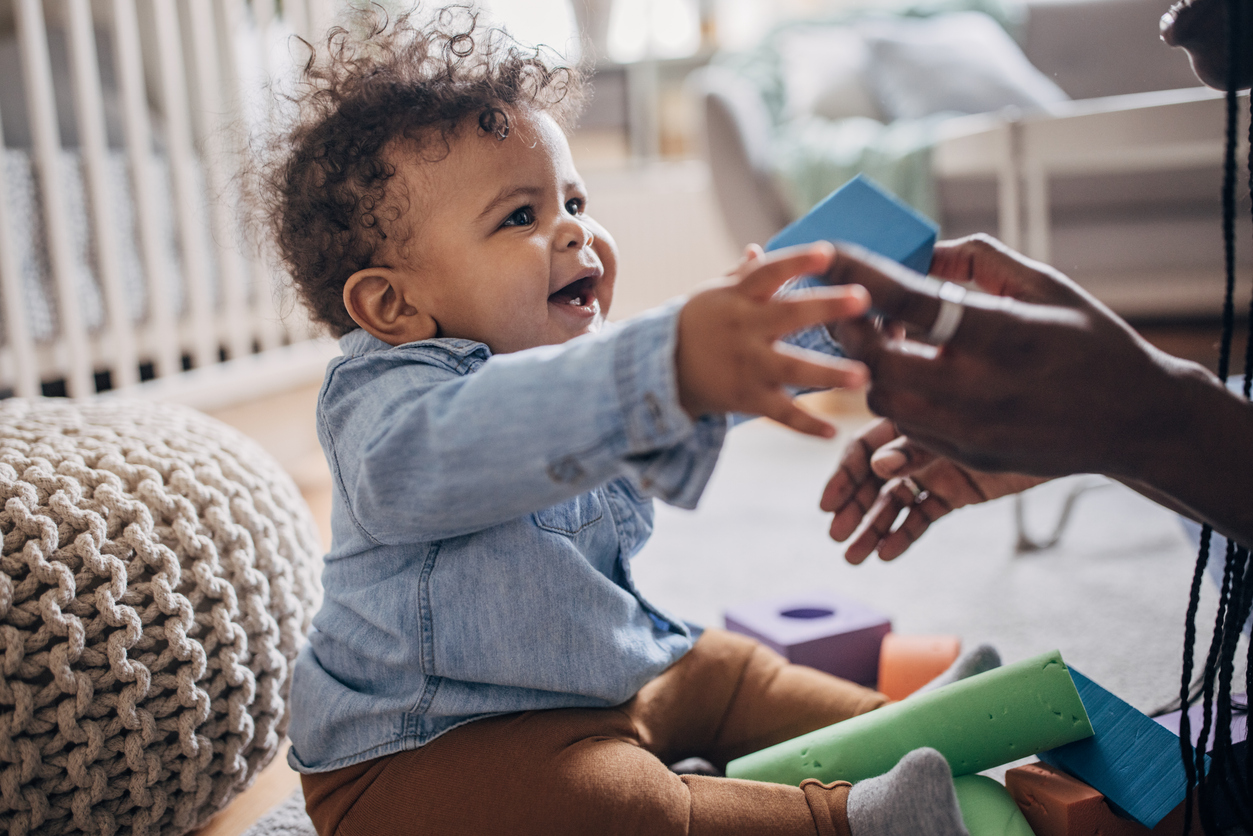
Every child finds their voice in their own time. Some children talk early and often, while others take a quieter path before words begin to flow. As parents, it’s completely natural to wonder: Is my child on track? or Should I be worried?
Understanding speech milestones isn’t about comparing children, it’s about knowing what typically develops at different ages and recognising when extra support might be helpful. Early awareness can make a meaningful difference, and reassurance is just as important as action.
What Are Speech Milestones?
Speech milestones are general guidelines that describe how children usually develop communication skills as they grow. These include:
- Making sounds and babbling
- Understanding words and instructions
- Using gestures, sounds, and eventually words
- Combining words to express needs and ideas
Milestones help parents notice progress over time, not perfection at a specific age.
Speech Development: What’s Typical at Different Ages
Wondering if your child’s speech is on track? This parent-friendly guide explains age-wise speech milestones, red flags, and when to seek support in clear, reassuring language.
Birth to 12 Months: The Foundations of Communication
In the first year, babies communicate long before words appear.
You may notice:
- Cooing, babbling, and experimenting with sounds
- Responding to voices and familiar sounds
- Using eye contact, facial expressions, and gestures
- Showing excitement or interest when spoken to
- Waving “bye-bye” as an early social gesture
- Calling a parent “mama,” “dada,” or another special name
- Beginning to understand simple words like “no,” often pausing or stopping briefly when they hear it
At this stage, communication is more about interaction and understanding than clear words.
12 to 24 Months: First Words and Understanding
This period often brings exciting breakthroughs.
Many toddlers:
- Say a few meaningful words and begin combining them, such as “more milk”
- Understand and follow simple instructions
- Point to things in books when asked, like “Where is the bear?”
- Point to at least two body parts when asked to show them
- Use gestures to communicate needs, such as pointing, pulling an adult, nodding yes, or blowing a kiss
- Try to imitate sounds and words they hear
Language comprehension usually develops faster than spoken words during this phase.
2 to 3 Years: Growing Vocabulary
Speech becomes more purposeful and expressive during this stage. Common developments include:
- Using two-word combinations and beginning short conversations with simple back-and-forth exchanges
- Naming familiar people, objects, and actions in pictures or books, such as “running” or “eating”
- Asking simple “who,” “what,” “where,” or “why” questions
- Saying their first name when asked
- Being understood by familiar adults—and increasingly by others—most of the time
Speech may not be perfectly clear yet, but intent and meaning become much easier to recognize.
3 to 4 Years: Clearer Speech and Sentences
Preschoolers begin using language to share ideas, stories, and feelings with growing confidence. You may notice:
- Saying sentences with four or more words
- Using longer, more complete sentences
- Talking about things that happened during their day, such as “I played soccer”
- Saying words or phrases from songs, stories, or nursery rhymes
- Answering simple questions like “What is a coat for?” or “What is a crayon for?”
- Being understood by most people, not just family
This stage reflects growing confidence in communication and stronger social language skills.
These milestones reflect widely accepted early communication and language development guidelines, including those shared by the CDC.
When Should Parents Be Concerned About Speech?
Every child develops at their own pace, but certain signs may indicate that additional support is worth exploring.
Possible Red Flags to Watch For
- Limited eye contact or response to sound
- Rarely attempting to communicate needs
- Very few or no words by age two
- Difficulty understanding simple instructions
- Speech that remains hard to understand beyond preschool age
- Frustration or withdrawal due to communication challenges
Noticing one sign doesn’t automatically mean there’s a problem, patterns over time matter most.
What Can Influence Speech Development?
Speech development can be shaped by many factors, including:
- Hearing abilities
- Social interaction opportunities
- Language exposure at home
- Individual temperament
- Overall developmental patterns
Some children are observers first and speakers later and that can be perfectly normal.
What Parents Can Do Before Worry Takes Over
1. Create a Language-Rich Environment
Talk often, describe daily routines, and name objects your child shows interest in. Simple, repeated language builds understanding.
2. Listen More Than You Correct
Respond to what your child is trying to say instead of focusing on how they say it. This builds confidence and motivation.
3. Read Together Daily
Books introduce new words, sentence patterns, and conversations in a relaxed way.
4. Encourage, Don’t Pressure
Children learn best when they feel safe and supported, not rushed or compared.
5. When and How to Seek Support
If concerns persist, speaking with a professional can provide clarity and peace of mind. Early intervention doesn’t label a child, it simply offers tools to support communication growth.
Support may come from:
- Pediatricians
- Speech-language therapists
- Early childhood specialists
Seeking guidance early can open doors to progress, confidence, and connection.
A Gentle Reminder for Parents
You know your child better than anyone else. Trust your instincts while also giving your child the space to grow at their own pace. Speech development is a journey, not a race and support, when needed, is a strength, not a setback.
Final Thoughts
Understanding speech milestones helps parents stay informed, not anxious. Most children develop language skills naturally with time, interaction, and encouragement. When concerns arise, early awareness and support can make communication easier and more joyful for both child and parent.
Above all, every attempt to communicate a sound, a gesture, a word is progress worth celebrating.

Related Post

How to Build Your Child’s Self-Control

Tweezers and Tongs Activities for Little Hands

Alphabet Books Every Preschooler Should Read
Teaching Sharing and Turn-Taking to Toddlers
Simple Ways to Boost Your Child’s Working Memory

Messy Play Activities: A Detailed Parent Guide
15 Fun Preschool Learning Activities for 3-Year-Olds
Easy Sensory Bin Ideas for Toddlers
Age-Appropriate Learning Activities for Toddlers and Preschoolers
Water Play Activities for Toddlers
Sensory Activities for 2-Year-Olds: Brain-Building Through Play
Threading and Lacing Activities for Preschoolers

The Secret to Boosting Your Child’s Vocabulary: Pointing Gesture
When to Start Potty Training
How to Raise a Problem-Solver

Building Vocabulary in Toddlers Through Play: The Science-Backed Approach

50 Boredom Busters for Toddlers and Preschoolers
Best Scissor Skills Activities for Preschoolers
STEM Activities Using Kitchen Items for Preschoolers and Kindergarteners
Rhyming Games for Preschoolers: The Secret to Reading Success
Fine Motor Activities for 3-Year-Olds: The Complete Guide to Building Strong, Skilled Hands
Playdough Activities That Build Fine Motor Skills: The Science-Backed Guide for Parents and Teachers

Understanding Your Child’s Language Development

Understanding Executive Functions: Your Child’s Cognitive Toolkit for Success

Bringing WonJo Kids into Your Classroom: A Teacher’s Guide
Sight Words for Kindergarteners: A Complete Parental Guide
25 Fun Sorting Activities for Preschoolers – Easy, Printable & Hands-On Ideas

12 Best Pattern Activities for Preschoolers That Build Math & Reading Skills

Every Child Has a Learning Superpower

The Benefits of (Quality) Interactive Learning Apps for Preschoolers
Counting Activities for 3-Year-Olds: 20 Simple & Fun Ways to Grow Early Math Skills
Best Books for 3 Year Olds: 50+ Must-Read Picks to Spark a Love of Reading

Scientific Experiments for Preschoolers: 15+ Easy Activities That Spark Curiosity and Learning
Teaching Phonics at Home: A Parent’s Guide to Building Strong Readers

2-Year-Old Milestones: What to Look For
Building Confidence and Skills for Kindergarten Readiness

Understanding Your Child’s Gross Motor Development

Beat the Summer Slide Without Breaking a Sweat
Raising Tomorrow’s STEM Leaders: The Power of Spatial Skills

How to Turn Storytime into a Learning Moment?

Embracing Your Child’s Unique Strengths and Challenges: Understanding Learner Variability


